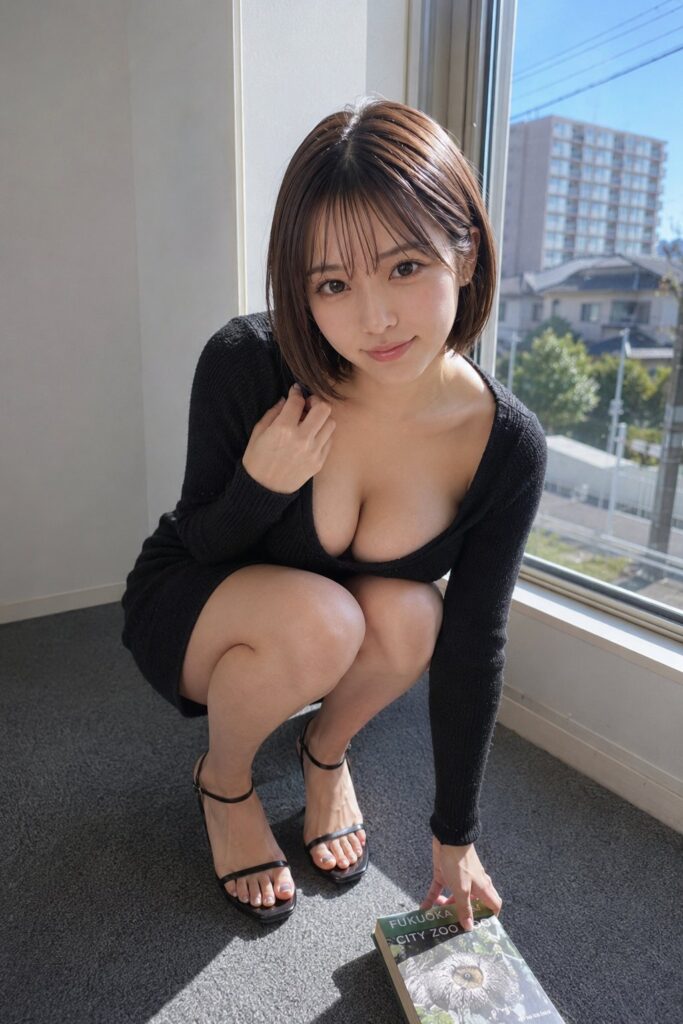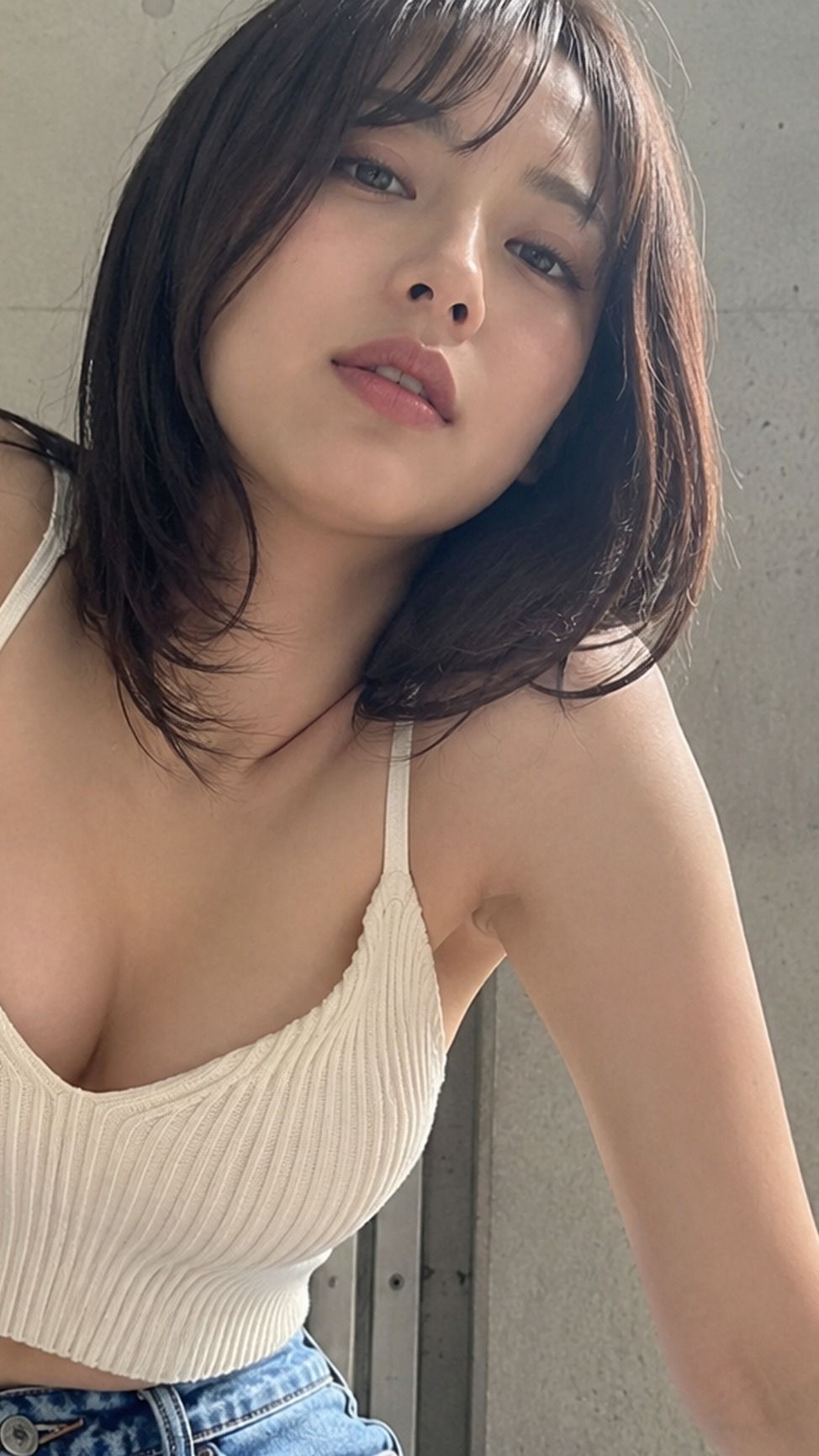
想创作具有影棚级质感且情绪松弛的艺术大片,却苦于无法完美呈现 楼梯平台上的日本女性写实人像 中复杂的细节与光影质感?
Nanobanana Pro 完美还原了画面的细腻纹理与高级氛围,助您精准定格具备顶尖商业杂志感的视觉瞬间。
复制这套免费提示词,一键复制进顶级模型,秒出大片。
Struggling to create Realistic Japanese Woman Staircase Portrait with a high-end editorial style? Nanobanana Pro captures the textures and lighting details perfectly for a hyper-realistic masterpiece. Get FREE Prompt, enjoy one-click copy, and create instantly!
Prompt (English):
ADVERTISEMENT
Subject:
The finished image is vertical 9:16, a single independent photo. Screen width 100%, height 100%, center of the face horizontally 49–51%, the line connecting the eyes located at the upper end 27–32%, head top margin 3–7%, and the overall visual center of the person fixed at 45–55% horizontally. The head and hair are at least 4% from the left and right edges, the face height is approximately 18–25% of the screen height, and from the top of the head to the lowest part of the visible lower body is contained within 88–96% of the screen height. Only one protagonist, no left-right reversal of the character, no replacement with others, no clothing changes, and no background reorganization. Priority is given to the positional relationships visible in the attached image, and invisible elements outside the frame are not supplemented by speculation. Retain the natural resolution of a smartphone shot, slight perspective differences from close range, and the sense of imperfection in spontaneous composition.

On an inorganic gray staircase landing, photograph only one fictional adult Japanese woman, who sits with her body close to the immediate front of the camera. The woman looks like a young adult over 20 years old, with a calm sense of intimacy and a natural aura of daily life. The confirmed screen range includes the head, face, neck, shoulders, chest, part of the abdomen, arms, and the top of the jeans; the full legs, shoes, and indoor panoramic view are all outside the frame and not produced. Do not rejuvenate the subject's age to a minor, maintain adult-like facial features, body proportions, and a sense of composure. Do not replace the character's ethnic appearance with other characteristics, making it a natural look that can be read as a Japanese woman. Do not add faces, bodies, shadows, or reflections other than the person themselves. The connection of the face, neck, shoulders, and torso is anatomically natural, and even if slim, do not unnaturally eliminate bones or joints. The range of visible skin, clothing coverage, and boundaries with the background remain consistent.

Face/Makeup:
Maintain a small oval face, a gentle forehead, naturally rounded cheeks, and a slender jawline. The skin is a bright neutral beige, with a very faint flush on the cheeks and tip of the nose. Eyebrows are a natural parallel shape in dark brown, eyes are deep brown, the upper eyelid line is restrained, and no strong lines are drawn on the lower eyelid. The bridge of the nose is thin and straight, and the lips are a light rose beige, lightly closed. Avoid heavy application, strong contour correction, excessive eyelashes, or porcelain skin. Do not make the face perfectly symmetrical left and right, retaining minimal natural differences in eye opening, eyebrow height, cheek shadows, and corners of the mouth. Skin tone is continuous with the neck, shoulders, and arms, without separately brightening the face or changing the color temperature. Avoid vinyl skin that eliminates pores, excessive cheekbones, proliferation of double eyelid lines, or fusion of teeth or lips. Eye reflections are only a small catchlight consistent with the main light source, without adding patterns or glows to the iris.

Hair:
A thick, deep dark brown bob reaching shoulder length. Bangs are thin, non-uniform strands hanging toward the forehead, with uneven volumes on the right and left sides. The ends of the hair slightly flare inward and outward, with fine wisps of hair remaining near the right cheek. Suppress the puffiness at the roots, and place a subtle sheen only on the light-receiving top surface. Do not change to long hair, strong curls, bright hair colors, or overly neat salon styles. Hair is not depicted and filled as single strands, but as an overlay of hair bundles of different thicknesses, clumps, shadows, and a small amount of stray hairs. The boundary between the head and scalp is natural, and bangs do not intrude into the eyebrows or pupils. Areas where ears are not visible are not forced to be exposed, and invisible structures of the back of the hair or hair knots are not created. Do not create cutout white edges or blending at the boundary with the background; only restrained light transmission and sheen are placed on the light source side.

Expression/Gaze:
A quiet gaze looking directly at the camera, and a gentle expression with the corners of the mouth hardly raised. The gaze does not strike a provocative pose, waiting softly for the other person's reaction at close range. Do not open the eyes wide, retaining natural micro-differences between the left and right eyes, eyelid weight, and the relaxed state of the cheeks. Do not replace with a toothy smile, a wink, exaggerated surprise, or a fake smile. Pupil direction, upper eyelids, lower eyelids, eyebrows, cheeks, and corners of the mouth are integrated as a single emotional consistency. Avoid situations where the left and right pupils face different directions, focus is off, or only the gaze deviates from the direction the face is facing. Do not exaggerate the expression into an advertising-style fake smile, retaining the subtle tension and relaxation of a natural distance from the photographer. Do not add emotions or stories to the expression that cannot be confirmed in the image.

Pose/Fingers/Contact:
A close-up pose with the upper body leaning forward and both shoulders slightly tucked in. One arm extends downward into the frame, and the other arm is placed near the body. Fingertips are only partially visible at the lower end; do not speculate or supplement invisible fingers or wrists. The center of gravity of the body is low, and due to being close to the camera, a perspective difference is created between the chest and the face. Do not unnaturally lengthen the neck, do not make shoulder heights perfectly symmetrical, and do not create the sitting surface or leg shapes. The axes of the head, neck, shoulders, thorax, and waist are continuous and consistent with gravity and contact points. Do not add extra elbows or wrists, and coordinate the thickness and joint positions of the visible arms. Maintain the way fingers are cut off when they are only partially visible, without adding extra fingers to the hands outside the finished frame. Add moderate compression, shadows, and folds at the contact points of clothing or the background, so that the body does not appear to float from the surface.

Clothing/Accessories:
A cream-colored ribbed crop top with thin spaghetti straps. Maintain fine vertical textures, a shallow curve at the chest, and a stretch feel that fits the body, without emphasizing transparency or excessive exposure. Only the upper part of blue jeans is visible at the bottom; metal buttons or the full shape of pockets are outside the frame. Do not add accessories, hats, watches, flashy nails, or bags. Do not change the color, material, strap width, or length of the clothes. Fabric stitching, openings, boundaries at the shoulders or chest, overlaps, and stretching directions are consistent with the pose. Do not make the clothes a painted surface attached to the body; distinguish fabric thickness, looseness, stretching, and fine folds. Do not add brands, patterns, text, decorations, or hardware not present in the frame. When small items are only partially visible, maintain only the visible shape and do not create the back or the overall form. Do not make changes that increase exposure or emphasize sexiness.

Location/Time/Background:
The background is a gray concrete or stone staircase landing. There are dark horizontal and diagonal boundaries at the back left, and bright wall surfaces and steps on the right; beds or furniture suggestive of hotel rooms are not generated as they are not in the frame. Do not change to a luxury interior, cafe, or outdoors. The amount of background information is lower than the character, while retaining seams, slight scratches, and light gradients of inorganic surfaces. The time period is limited only to the range readable from the light in the frame; do not add new scenery determining morning, noon, or night. Maintain the overlap of foreground, middle ground, and background, without causing the background to unnaturally bend along the character's outline. Background information is restrained relative to the character but is not replaced with a monochromatic blur. Do not generate windows, doors, signs, furniture, pedestrians, vehicles, scenery, or reflections that cannot be confirmed within the frame.

Composition/Camera:
A wide-angle feel like a close-range smartphone camera. The camera is aimed diagonally downward from a position slightly higher than the woman's face, naturally showing the distance difference between the face and the upper body. Avoid excessive ultra-wide-angle distortion, but do not eliminate the slight perspective difference of the arms or chest characteristic of close-up shots. With the face and eyes as the main focus, the background is not completely blurred but softened to a degree where shapes are recognizable. Do not change the person's occupancy on the screen, face position, left and right margins, or the way the bottom is cut off. Fix the camera height, tilt angle, and distance from the subject; do not change to a frontal ID photo style or a long-distance full-body shot. The sense of focal length remains at a smartphone standard to slightly wide-angle level, avoiding ultra-wide angles where the background straight lines and face proportions break down. The depth of field is such that the face and main clothing are readable, and the background is gently softened. Do not create an excessive loss of outline in portrait mode.

Light Source:
The main light source is strong natural light entering from the upper right of the frame, illuminating the right shoulder, cheek, bridge of the nose, and the right side of the top. Soft shadows are retained on the left cheek and the inside of the hair, without uniformly lifting the dark areas. Fill light appears only as weak reflections from surrounding walls. Do not change the light source to a frontal flash, sunset, neon, or studio lighting; unify the shadow direction and highlights. The direction of light falling on the skin, hair, fabric, and background is all consistent. Place natural shadows in the opposite direction of the main light source under the nose, under the jaw, inside the hair, and at clothing overlaps; shadows alone should not make the color muddy. Highlights are not uniformly attached to the forehead, nose, cheeks, lips, and shoulders, changing intensity according to the face direction. Do not generate extra rim lights, lens flares, rainbows, glows, or multi-directional shadows.

Color/Tone:
A natural color scheme centered on cream, bright beige, blue jeans, and cool gray, with suppressed saturation. Only the skin flush serves as a small warm tone. Whites do not blow out, retaining rib grooves, and blacks are not crushed, making hair bundles readable. Do not make the blue too vivid, and do not add overall yellow-green or magenta color casts. The brightness difference between the background and the skin is gentle. Highlights, midtones, and dark areas retain gradations, preventing skin whiteout, hair black-crush, or loss of clothing texture. Local contrast is restrained and placed on the face and clothing, without excessively darkening the background to make the character look like a cutout. Do not destroy the white balance of the main light source, maintaining the color relationship between the skin, white-based fabrics, and the gray background. Do not uniformly lift saturation or clarity; create the tone of a natural smartphone photo.

Materials/Fine Textures:
The skin retains fine pores, peach fuzz, thin red on the cheeks, and fine vertical lines on the lips. Hair is not limited to single fine lines, but coexists as hair bundle masses and scattered wisps. Ribbed knit is not uniform CG stripes; the spacing of the stretched parts changes slightly. Jeans have a fine weave and a soft feel of use; concrete has powdery fine irregularities. Do not eliminate textures with excessive sharpness or noise removal. Do not unify the smoothness of skin, hair, fabric, metal, stone, wood, plants, etc.; distinguish the reflectivity and details of each surface. Skin is not covered with uniform grain, and pore visibility changes according to highlights and shadows. Clothing weave or ribs change direction along the curves of the body and do not penetrate background straight lines. Avoid extreme JPEG compression breakdown while not being completely flawless like commercial CG, retaining the fine graininess of a natural shot.

Image Processing/Completion:
Completion is like a real-life smartphone photo. Do not use excessive HDR, strong skin beautification, facial contour liquefaction, eye enlargement, tooth uniformization, background synthesis feel, anime style, or illustration style. Do not over-sharpen outlines; the face and main clothing retain sufficient resolution. Suppress chromatic aberration, false colors, halos, and double outlines, retaining natural lens softness. The tone curve is rich in midtones, without clipping the black and white ends. The overall image is unified with the same light, color, texture, and graininess.
To not damage the atmosphere of the scene where the woman in the cream top on the concrete stairs leans close to her body, first adjust the low-frequency large light and dark, then adjust the medium shapes of the face, clothes, and background, and finally adjust fine elements such as hair or fabric patterns. Emphasize details first without changing the overall center of gravity, and when shrinking, also maintain the face, pose, clothing color, and main background lines in the same order of recognition as the attached image. Do not locally high-define the face; give continuous resolution to the neck, shoulders, hands, and clothing. Do not strongly blur the background to make the character look like a cutout, creating a continuous focus transition according to the shooting distance.

In outline processing, handle the four types separately: hair and background, skin and clothing, clothing and background, and hands and contact surfaces. The outer edge of the hair retains fine wisps, while not creating white borders or transparent gaps. The cheeks or jaw are not cut with sharp lines, but show shape with soft brightness changes along the roundness of the skin. Clothing edges are accompanied by fine shadows that convey the thickness of the fabric, preventing background lines from appearing through the body. At the overlap of hands and the lower end or clothing, do not exaggerate the presence of fingertips, only placing small drop shadows at the visible contacts.

Facial identity is maintained not only by the outline but also by the combination of the distance between eyes and eyebrows, the length from the bridge of the nose to the tip, the width of the nostrils, the thickness of the upper and lower lips, the jaw distance, and the parting of the front hair. Do not rely on a single beauty template, retaining the small left-right differences of the attached image. Skin tone is continuous across the face, near the ears, neck, shoulders, and arms, without locally creating color differences like different characters. Corrections to the eyes or corners of the mouth are limited to the range that does not change emotions, without adding makeup to strengthen the impression. Adultness is expressed through a steady bone structure and natural body proportions, not deformed into a young face.

Clothing reproduction is created not only by color matching but also in three stages: light-receiving parts, penumbra, and dark areas of folds. Ribs or weaves slightly change spacing and direction along human curves and poses, not as uniformly printed patterns. At points of tension change such as shoulders, armpits, chest, and waist, change the length and depth of folds. Clothing outlines are not thinned for the purpose of emphasizing body shape, maintaining the room and thickness of the attached image. When small items are present, they are not given highlights or saturation more prominent than the person, reflecting small pressure and shadows from contact with the fabric.

Background perspective unifies main lines confirmed on the screen such as stairs, walls, shelves, handrails, and window frames from the camera position. Do not unnaturally bend straight lines to avoid the character's outline, or change the direction of disappearance from left to right. Background blur is not used to hide shape errors; main steps or surface directions are readable. Structures continuing outside the frame are cut off naturally in the middle, without imagining the invisible front to complete them. Dark areas of the background do not create non-existent objects or face-like patterns.

In light verification, confirm whether catchlights in both eyes, bright parts of the nose, jaw shadows, hair sheen, clothing folds, and background light and dark can be explained by a single main light source. Reflected light is weaker than the main light, and shadow outlines have a softness that matches the size of the light source. Skin highlights are not painted white, retaining color and fine surface. Dark areas of hair retain the minimum gradation of discernible bundles, without painting black to eliminate noise. Bright cloth or walls also have exposure where details do not vanish.

In final confirmation, compare the person's position, occupancy, background lines, and color center of gravity in full display; compare eyes, eyebrows, nose, lips, skin, and front hair in enlarged face display. Compare stitching, patterns, folds, and overlaps in clothing enlargement; compare number, contact, and shadows in hand or small item enlargement. If any part deviates from the relationship in the attached image, it will not be adopted as another aesthetic expression, and only that element will be returned to its original position, shape, color, and material. None of it is reinterpreted, and consistency is improved within the range of observable evidence.

Immediately before output, divide the screen into three vertical bands: top, center, and bottom; the top confirms the top margin of the head and background vacancies, the center confirms both eyes, nose, mouth, shoulders, and clothing overlaps, and the bottom confirms hands, small items, clothing cut-off, and margins. When further divided into left and right halves, compare brightness, color, and line density with the attached image to confirm there are no traces of moving only the background to center it. Even if the center of the face is within the specified range, if the visual center of gravity including hair or shoulders is shifted, correct it. If it is correct when enlarged but the person floats in full display, adjust contact shadows, background focus, and local contrast. Even to increase naturalness, do not add moles, scars, accessories, clothing patterns, or background objects not in the image. The priority order of reproduction is character identity, pose and screen position, clothing and contact, background arrangement, light, color, fine texture; subsequent texture improvements do not change previous shapes or positions.

Failure Avoidance/Prohibitions:
Fix the same woman, same facial features, same hair, same clothing, same pose, same staircase arrangement, same light and color, same smartphone completion, without changing to another person or a different combination. Do not mirror the face left and right, and do not break the number of eyes, fingers, strap connections, or clothing edges. Do not add text, logos, watermarks, signatures, extra people, or mirrored characters. Do not create legs, shoes, furniture, windows, or personal belongings outside the frame. Do not change the same woman, facial features, sense of age, hairstyle, clothing, pose, contact, background arrangement, camera position, light source, color, material, or completion. Do not reverse the body or clothes left and right. Do not create extra faces, eyes, ears, arms, hands, fingers, legs, shadows, or reflections. Avoid finger fusion, joint hyperextension, poor neck connection, shoulder distortion, disappearance of clothing stitching, or background lines penetrating the body. Absolutely do not add text, numbers, subtitles, logos, brands, watermarks, signatures, or borders. Invisible elements remain unknown and are not generated.
中文参考:
ADVERTISEMENT
被摄主体:
完成画面为纵向9:16,单张独立照片。画面宽度100%,高度100%,脸部中心横向49〜51%,连接双眼的线条位于上端27〜32%,头顶余白3〜7%,人物整体视觉中心固定在横向45〜55%。头部和头发至少距离左右端4%,脸部高度约为画面高度的18〜25%,从头顶到可见下半身最下端收纳在画面高度的88〜96%。主角仅一人,不进行人物左右反转、替换成他人、服装变更、背景重组。优先考虑附件图像中可见的位置关系,不推测补充画面外不可见元素。保留智能手机拍摄般的自然分辨率、近距离的轻微远近差、瞬间构图的不完美感。

在无机质的灰色楼梯平台上,仅拍摄一人虚构的成年日本女性,她将身体靠近相机立即前方坐下。女性看起来是20岁以上的年轻成人,具备沉稳的亲密感和自然的生活气息。画面确认范围为头部、脸部、颈部、肩膀、胸口、腹部一部分、手臂、牛仔裤上端,全腿、鞋子、室内全景均作为画面外不制作。 不将被摄主体年龄年轻化成未成年人,维持成人般的脸部特征、身体比例、沉稳感。不将人物的民族外貌替换成其他特征,制作成可读作日本女性的自然造型。不添加本人以外的脸部、身体、影子、反射像。脸部、颈部、肩膀、躯干的连接解剖学上自然,即使瘦削也不不自然消除骨骼或关节。画面可见的皮肤范围、衣服覆盖范围、与背景的边界保持一致。

脸部・妆容:
保持小巧的卵形脸、平缓的额头、自然圆润的脸颊、细长的下颌线。皮肤为明亮的 neutral 米色,脸颊和鼻尖有极淡的血色。眉毛为深褐色的自然平行形,眼睛为深茶色,上眼睑线条克制,下眼睑不画强线。鼻梁细直,嘴唇为淡玫瑰米色,轻闭。避免厚涂、强轮廓修正、过度睫毛、瓷器肌。 不将脸部左右完全对称,保留眼睛开度、眉毛高度、脸颊阴影、嘴角的极小自然差异。皮肤色调与颈部、肩膀、手臂连续,不单独使脸部变亮或改变色温。避免消除毛孔的乙烯基皮肤、过剩颧骨、二重线增殖、牙齿或嘴唇融合。眼睛反射仅为主光源一致的小型 catchlight,不向虹膜添加图案或发光。

头发:
触及肩膀长度的浓深暗褐色波波头。刘海为薄而非均匀的束状垂向额头,右侧和左侧不统一量。发梢微微向内外散开,右脸颊附近残留细碎后发。抑制发根的蓬起,仅在受光上面放置细微光泽。不变更成长发、强卷发、亮发色、过于整齐的沙龙造型。 毛发不以单根描绘填充,而是叠加粗细不同的毛束、团块、阴影、少量飞散毛。头部与头皮边界自然,刘海不侵入眉毛或瞳孔。不可见耳朵处不强行露出,不创作头发背面或发结的不可见结构。与背景边界不制造抠图白边或融合,光源侧仅放置克制的透光和光泽。

表情・视线:
直视相机的安静视线,和几乎不抬起嘴角的温和表情。视线不强作挑逗,在近距离柔和地等待对方反应。不将眼睛睁大,保留左右眼睛的自然微差、眼睑重量、脸颊放松状态。不替换成露齿笑容、眨眼、夸张惊讶、假笑。 瞳孔方向、上眼睑、下眼睑、眉毛、脸颊、嘴角作为一个情感整合一致。避免左右黑瞳朝不同方向、焦点不合、仅视线偏离脸部朝向的状态。不将表情夸张成广告式的假笑,保留与拍摄者自然距离感的细微紧张与放松。不向表情添加图像确认不到的情感或故事。

姿势・手指・接触:
上身前倾,両肩微微内收的近距离姿势。一臂向下画面延伸,另一臂置于身体附近。指尖仅在下端部分可见,不推测补充不可见手指或手腕。身体重心低,由于靠近相机,胸口和脸部产生远近差。不不自然伸长颈部,不完全左右对称肩部高度,不创作坐面或腿部形状。 头部、颈部、肩膀、胸廓、腰部的轴线连续,与重力和接触点无矛盾。不额外增加肘部或手腕,协调可见手臂的粗细和关节位置。手指仅部分可见时维持其切断方式,不为完成画面外的手部添加多余手指。衣服或背景接触处加入适度压缩、阴影、褶皱,不使身体从表面浮起。

服装・小物:
细肩带的奶油色罗纹短款上衣。保持纵向细密纹路、胸口浅曲线、贴合身体的伸缩感,不强调透视或过度暴露。下身仅可见蓝色牛仔裤上端,金属扣或口袋全形作为画面外。不添加配饰、帽子、手表、华丽美甲、包。 不变更衣服颜色、材质、肩带宽度、长度。 布料缝合、开口部、肩膀或胸口边界、重叠、拉伸方向与姿势一致。不将衣服做成贴附身体的涂抹面,区分布料厚度、松弛、拉伸、细微褶皱。画面无的品牌、图案、文字、装饰、金具不添加。小物仅部分可见时仅保持可见形状,不创作背面或整体形态。不进行增加暴露或性感强调的变更。

地点・时间・背景:
背景为灰色混凝土或石材的楼梯平台。左后方有暗的水平・斜向边界,右侧有亮的墙面和台阶,酒店客房示意的床或家具因画面上无而生成。 不变更成豪华室内、咖啡店、户外。背景信息量低于人物,同时保留无机质面的接缝、轻微擦痕、光的梯度。 时间带仅限于从画面光线可读范围,不添加断定早晨、午间、夜晚的新景物。维持前景・中景・背景的重叠,不使背景沿人物轮廓不自然弯曲。背景信息克制于人物,但不替换成单色模糊。画面内确认不到的窗户、门、标牌、家具、行人、车辆、景色、反射不生成。

构图・相机:
近距离智能手机相机般的广角感。相机从略高于女性脸部的位置斜向下对准,自然展现脸部与上半身的距离差。避免过度超广角扭曲,但不消除近拍特有的手臂或胸口轻微远近差。以脸部和眼睛为主焦点,背景不完全虚化,而是软化到可辨识形状程度。 不变更画面上人物占有率、脸部位置、左右余白、下端切断方式。固定相机高度、俯角、与被摄体距离,不变更成正面证件照风或远距离全身照。焦距感保持智能手机标准至轻广角程度,避免背景直线与脸部比例破綻的超广角。景深程度为脸部和主要服装可读,背景温和软化。不制造过度人像模式的轮廓缺失。

光源:
以画面右上方进入的强自然光为主光源,照亮右肩、脸颊、鼻梁、上衣右侧。左脸颊和头发内侧保留柔和阴影,不均匀提升暗部。辅助光仅作为周围墙面反射的弱度显现。不变更光源成正面闪光、日落、霓虹、摄影棚照明,统一阴影方向与高光。 皮肤、头发、布料、背景落光方向全部一致。在鼻下、下颌下、头发内侧、衣服重叠处放置主光源反向的自然阴影,仅阴影不使颜色混浊。高光不均匀贴附额头、鼻子、脸颊、嘴唇、肩膀,根据面朝向改变强度。不生成额外轮廓光、眩光、彩虹、发光、多方向阴影。

颜色・色调:
以奶油色、明亮米色、蓝色牛仔裤、冷灰色为中心,抑制饱和度的自然配色。仅皮肤血色作为小暖色调。白色不飞白保留罗纹沟槽,黑色不压黑使头发束可读。不使蓝色过鲜艳,不添加整体黄绿色或洋红色的色偏。背景与皮肤明度差温和。 明部、中间调、暗部保留阶调,防止皮肤白飞、头发黑压、服装质感消失。局部对比克制置于脸部和服装,不过度暗化背景使人物像抠图。不破坏主光源的白平衡,维持皮肤、白系布料、灰背景的颜色关系。不一律提升饱和度或清晰度,作成自然智能手机照片的色调。

材质・细微质感:
皮肤保留细微毛孔、绒毛、脸颊薄红、嘴唇细纵纹。头发不限于单根细线,兼存毛束块和散落后发。罗纹针织不均一CG条纹,拉伸部分间距略变。牛仔裤为细织和柔软使用感,混凝土具粉状细微不均。不以过度锐利度或噪点去除消除质感。 皮肤、头发、布料、金属、石材、木、植物等不统一平滑度,区分各表面反射率和细节。皮肤不贴均匀颗粒,根据亮部和阴影改变毛孔可见度。衣服织纹或罗纹沿身体曲面改变方向,不贯穿背景直线。避免JPEG极端压缩崩坏,同时不完全无缺如商业CG,保留自然拍摄的细微颗粒感。

图像处理・完成:
完成如实拍智能手机照片。不使用过度HDR、强美肌、脸部轮廓液化、眼睛放大、牙齿均一化、背景合成感、动画调、插图调。不过度锐化轮廓,脸部和主要服装保留充分分辨率。抑制色差、伪色、光晕、二重轮廓,保留自然镜头柔和度。色调曲线丰富中间调,不裁剪黑白两端。画面整体统一相同光、色、质感、颗粒感。
为不损害混凝土楼梯上奶油色上衣女性靠近身体的场景氛围,先调整低频大明暗、次调整脸部・衣服・背景的中等形状、最后调整毛发或布纹等细微元素。 先强调细节以不改变整体重心,缩小时也保持脸部、姿势、服装色、背景主要线以附件图像相同顺序辨识。 不局部高精细化脸部,向颈部、肩膀、手、服装赋予连续分辨率。不强虚化背景使人物像抠图,根据拍摄距离作成连续焦点过渡。

轮廓处理中,分别处理头发与背景、皮肤与服装、服装与背景、手与接触面的四种。头发外缘保留细后发,同时不制造白色镶边或透明缺失。脸颊或下颌不以锐利线切割,以沿皮肤圆润的柔和亮度变化示形。服装边缘伴随感受布厚的细阴影,不使背景线透过身体显现。手与下端或服装重叠处,不夸张指尖存在,仅可见接触置小落影。

脸部同一性,不仅轮廓,还组合眼睛与眉毛间距、鼻根至鼻尖长度、鼻翼宽度、上唇与下唇厚度、下颌距离、前发分线维持。不寄于单一美形模板,保留附件图像的小左右差。皮肤色调在脸部、耳附近、颈部、肩膀、手臂连续,不局部制造如不同人物的色差。眼部或嘴角修正限于不改变情感范围,不添加化妆强化印象。成人感以沉稳骨架和自然身体比例表现,不变形为幼脸。

服装再现,不仅颜色匹配,还作成受光部分、半影、折痕暗部的三阶段。罗纹或织纹沿人体曲面和姿势微变间距与方向,不均等印刷图案。肩膀、腋下、胸口、腰部等张力变化处,改变褶皱长度与深度。服装轮廓不以强调身体形状为目的削细,保持附件图像的余裕与厚度。小物存在时也不赋予比人物突出的光泽或饱和度,反射接触布料的小压力与阴影。

背景透视,将楼梯、墙、架、手扶、窗框等画面确认的主要线从相机位置一致化。不为避开人物轮廓不自然弯曲直线,或左右改变消失方向。背景虚化不用于隐藏形状错误,主要台阶或面朝向可读。画面外延续结构在中途自然切断,不想象不可见前方完成。背景暗部不制造不存在物体或脸般图案。

光验证中,确认両眼 catchlight、鼻子明部、下颌影、头发光泽、服装折痕、背景明暗是否可由单一主光源解释。反射光弱于主光,阴影轮廓以匹配光源大小的柔和度。皮肤高光不白涂,保留色味与细微表面。头发暗部保留可辨束的最小阶调,不为消除噪点黑涂。亮布或墙也以细节不消的曝光。

最终确认中,全显示比对人物位置、占有率、背景线、颜色重心,脸部放大显示比对眼睛、眉毛、鼻子、嘴唇、皮肤、前发。服装放大比对缝合、纹路、褶皱、重叠,手或小物放大比对数量、接触、阴影。若任何一处偏离附件图像关系,不作为其他美表达采用,仅将该元素回原位置、形状、颜色、材质。全不重新解读,在可观察证据范围内提高一致度。

输出直前,将画面纵向上部・中央・下部三带分,上部确认头顶余白与背景空缺、中央确认両眼、鼻子、嘴、肩膀、服装重叠、下部确认手、小物、服装切断与余白。进一步左右二分时比较亮度、色、线密度与附件图像,确认无仅移动背景为中心寄的痕迹。即使脸部中心在指定范围,若含头发或肩膀的视觉重心偏移则修正。放大时正确但全显示人物浮起时,调整接触影、背景焦点、局部对比。即使为增自然,也不添加图像无的痣、伤、配饰、服装图案、背景物。再现优先顺序为人同一性、姿势与画面位置、服装与接触、背景配置、光、色、细微质感,后段质感改善不改变前段形状或位置。

破綻回避・禁止:
固定同一女性、同一脸立ち、同一头发、同一服装、同一姿势、同一楼梯配置、同一光与色、同一智能手机完成,不变更成他人或不同搭配。不镜像脸部左右,不破坏眼睛数量、手指数量、肩带连接、服装边缘。 不添加文字、logo、水印、签名、多余人、镜像人物。画面外腿、鞋、家具、窗、随身物不创作。 不变更同一女性、脸立ち、年龄感、发型、服装、姿势、接触、背景配置、相机位置、光源、色、材质、完成。 不左右反转身体或衣服。不制造多余脸、眼、耳、手臂、手、指、腿、影、反射像。避免手指融合、关节反曲、颈连接不良、肩扭曲、衣服缝合消失、背景线人体贯穿。 一切不添加文字、数字、字幕、logo、品牌、水印、签名、框线。不可见元素保持不明,不生成。