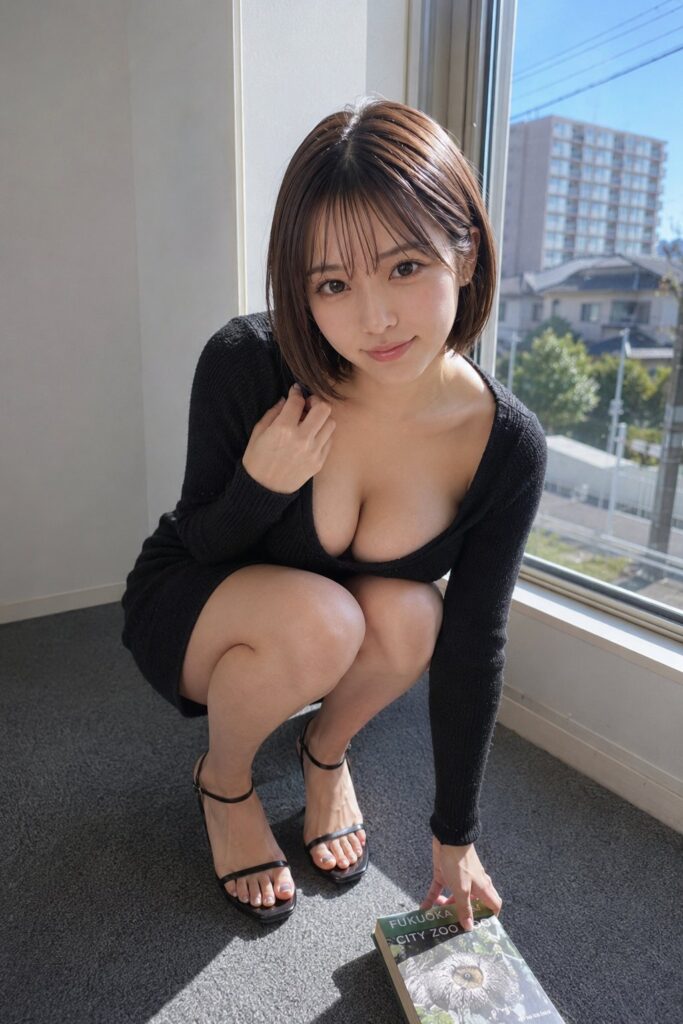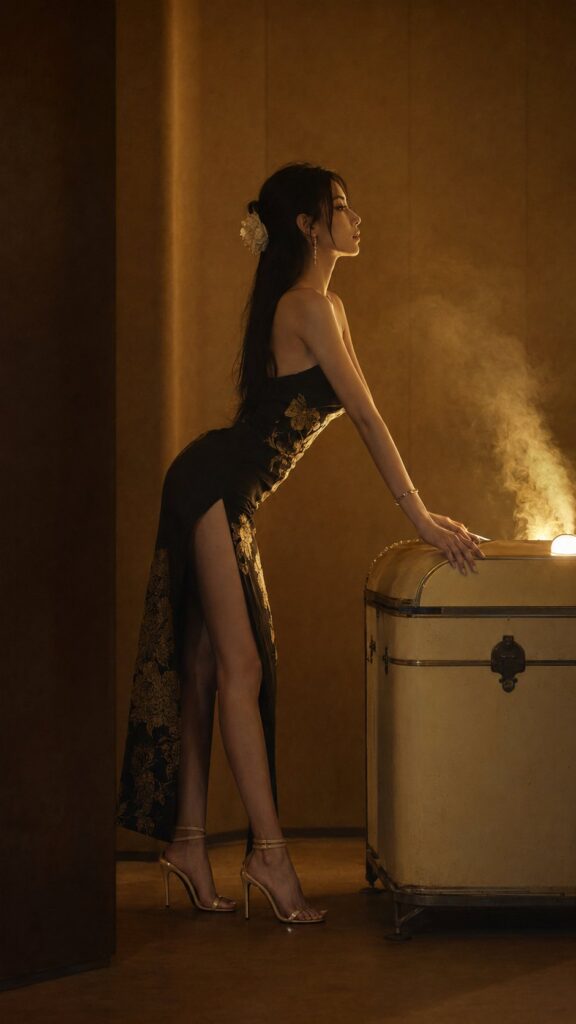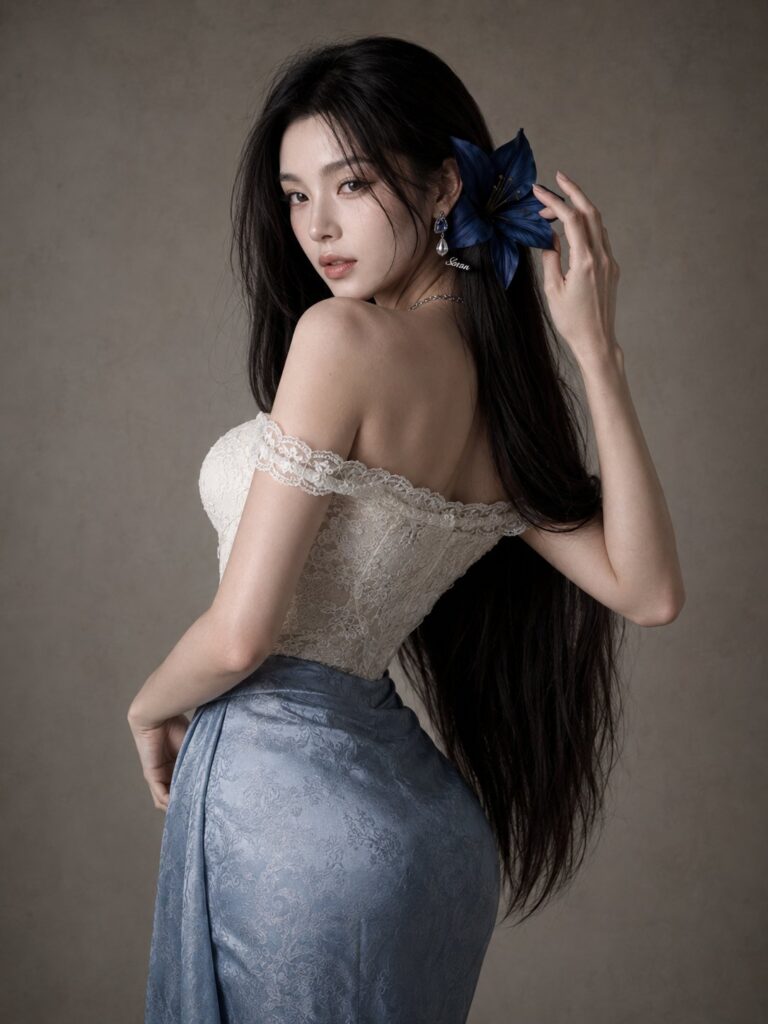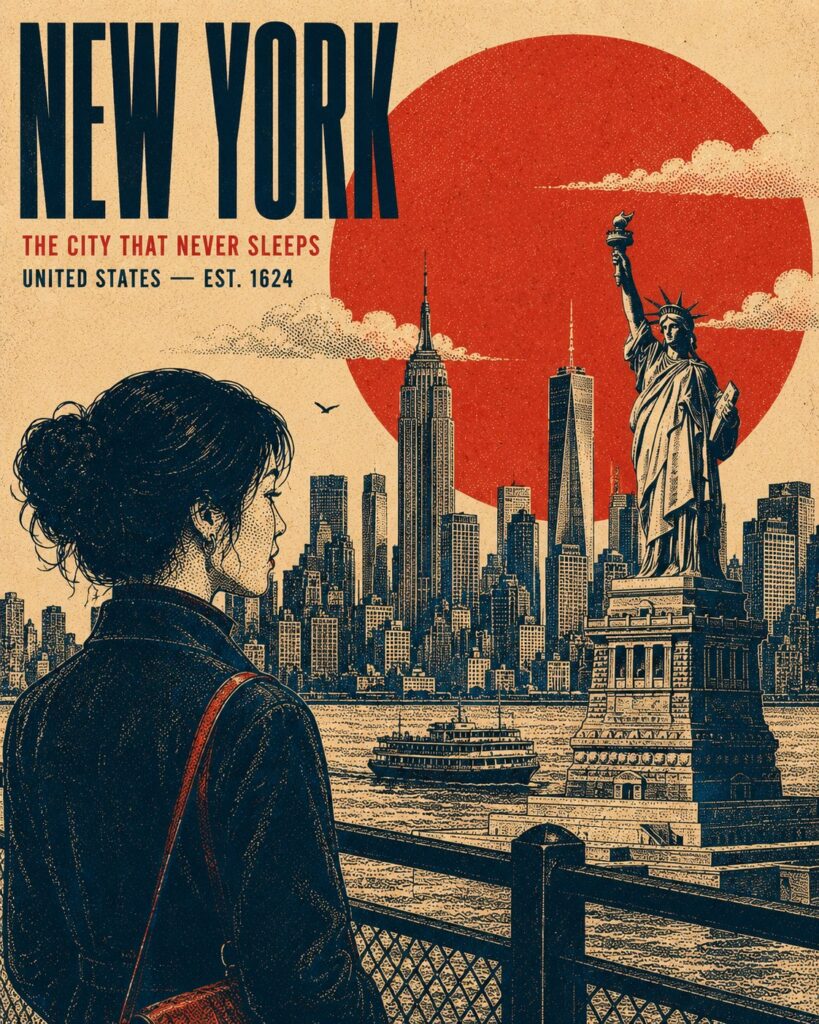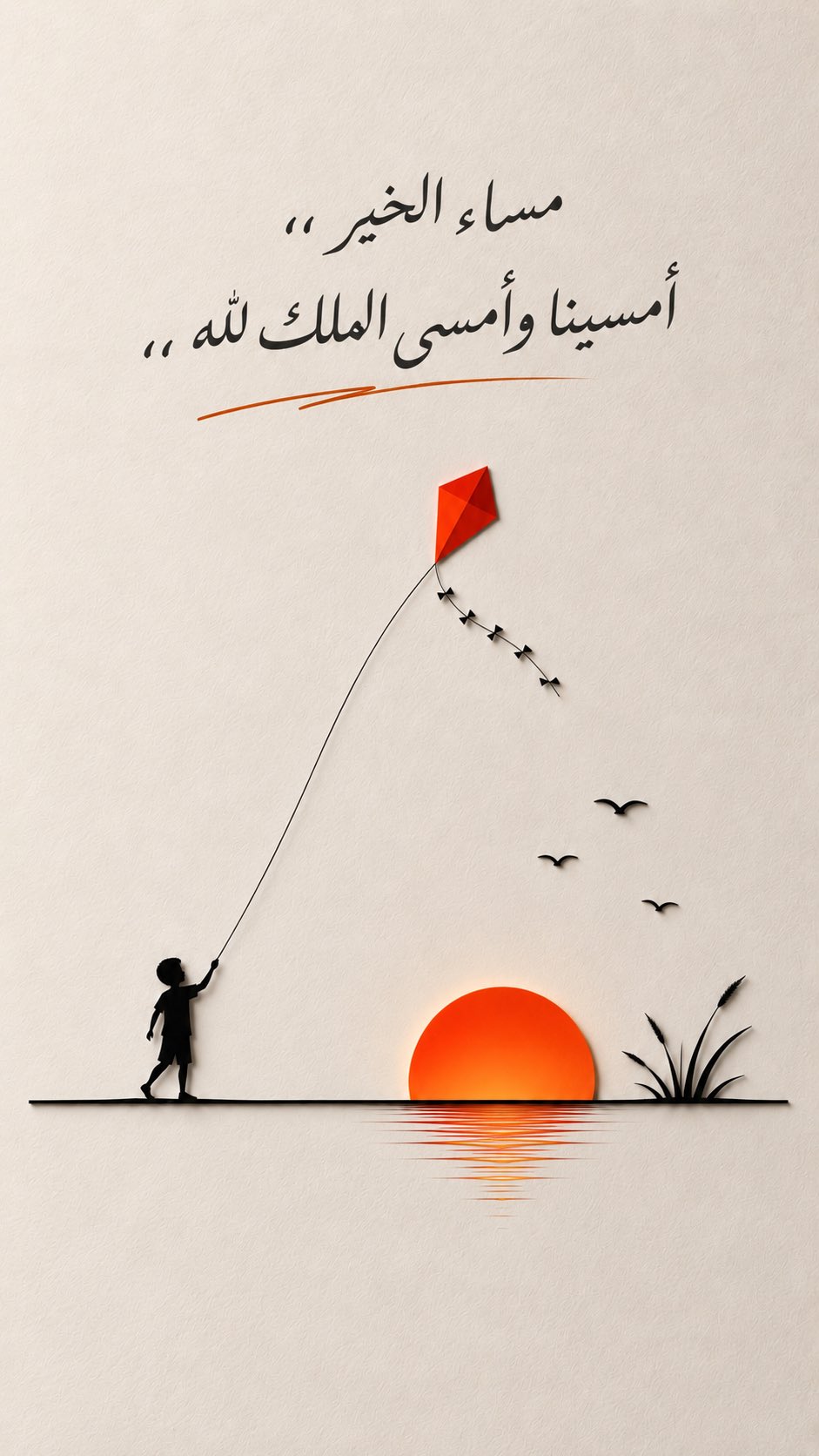
想创作具有影棚级质感且情绪松弛的艺术大片,却苦于无法完美呈现 极简主义高端墙艺浮雕设计指令 中复杂的细节与光影质感?
Nanobanana Pro 完美还原了画面的细腻纹理与高级氛围,助您精准定格具备顶尖商业杂志感的视觉瞬间。
复制这套免费提示词,一键复制进顶级模型,秒出大片。
Struggling to create Minimalist High End Wall Art 3D Relief Prompt with a high-end editorial style? Nanobanana Pro captures the textures and lighting details perfectly for a hyper-realistic masterpiece. Get FREE Prompt, enjoy one-click copy, and create instantly!
Prompt (English):
ADVERTISEMENT
Execution Prompt | Minimalist Wall Art

Only Input

Subject: [,,,,,,,,,,,,,]

Do not ask the user for any additional information.

Task

Directly transform the [Subject] into a unique visual design in the style of:

High-end Minimalist Wall Art / Sculptural 3D Relief / Conceptual Minimalism

Aspect ratio 9:16 vertical.

The design must look like an elegant wall art piece created specifically for the subject, rather than an infographic or traditional poster.

First: Visual Understanding of the Subject

Analyze the subject internally and determine:

* Symbols most relevant to it.
* Underlying ideas or meanings behind it.
* A scene that can be condensed into the fewest elements.
* The best visual metaphor to express its meaning without explanation.
* One element that can serve as the primary attraction point.
* A unique color suitable for the nature of the subject.

Do not show this analysis to the user.

Proceed directly to the design.

Core Concept

Application Rule:

“Minimum elements… maximum meaning.”

Transform the subject into a poetic and conceptual visual scene using only 3–6 elements.

Do not attempt to represent all details of the subject.

Choose a clever single shot sufficient to tell the complete idea.

Visual Identity

Use a wall background:

* Ivory white or warm off-white.
* Natural fine plaster / fine paper / soft stucco texture.
* Soft daylight lighting.
* Subtle real shadows.

Make the main elements look like:

Three-dimensional sculptures or slightly protruding art cutouts, standing out from the wall surface

Accompanied by:

* Sculptural 3D relief
* Raised paper art
* Precision cutting
* Soft contact shadows
* Subtle physical depth
* High-end handmade finishing

So that the elements feel truly present on the wall surface.

Color System

Based on:

Ivory White + Warm White + Matte Black

Then choose an Accent color inspired by the subject.

Examples:
Gold, burnt orange, deep red, emerald green, petroleum blue, amber.

Use this unique color only in the most important visual element.

The design must not become a colorful painting.

Composition

Use very large negative space.

Place the main scene in the middle third or bottom third of the design.

An extremely thin horizontal line can be used when it serves the idea, but it is not mandatory.

Create a calm and slightly asymmetrical visual balance.

Use size differences to represent depth.

The main attraction point must be clearly visible within one second.

Conceptual Transformation — Very Important

Do not depict the subject literally.

Look for clever visual metaphors.

One element can gradually transform into another if it serves the meaning.

Required logic examples, not mandatory elements:

* Steam might transform into a landscape or symbol.
* The sun might transform into a clock.
* A road might transform into another idea.
* Book pages might become the horizon.
* Shadows of elements might reveal a different meaning.
* Lines might guide the eye to the main element.
* Voids within shapes might create a second symbol.

Make transformations natural and elegant, not nonsensical surrealism.

Secondary Details

Add minimal elements if necessary, such as:

Birds, plants, trees, reflections, ripples, clouds, stars, miniature silhouette figures, or environmental details.

But use them only when they add meaning or balance.

Do not let the sun, birds, and plants be default repeating elements for every design.

Elements must vary by subject.

Minimalism Level

Goal is approximately:

75–85% visual blank space
15–25% elements

If an element can be removed without losing meaning, remove it.

Prohibited

* Crowding.
* Heavy black backgrounds.
* Excessive colors.
* Unnecessary decorations.
* Borders.
* Explanatory text.
* Writing the subject name inside the design.
* Infographics.
* Scattered traditional icons.
* Crowded collages.
* Complex cinematic compositions.
* Repeating sun, moon, or birds just to fill space.
* Transforming every subject into the same scene.

Quality

Results must be:

Ultra-clean, sophisticated, gallery-grade, tactile, poetic, high-end, minimalist, highly refined, physically believable 3D wall relief, soft real shadows, subtle material textures, editorial art direction, museum shop design quality.

The image must be suitable as:

* Art poster.
* Phone wallpaper.
* Wall art panel.
* Luxury social media post.

Signature

Add a very small and elegant signature:

AlotaibiAi3

Placed at the bottom of the design, not competing with the main elements.

⸻

Final Output

Only create one image.

Aspect ratio: 9:16 vertical

Do not write descriptions before or after the image.

Each subject must produce truly different work while maintaining the unified identity of minimalist wall art.
中文参考:
ADVERTISEMENT
执行提示 | 极简墙艺

唯一输入

主题:[、、、、、、、、、、、、、]

不要向用户请求任何额外信息。

任务

直接将[主题]转化为一个独特视觉设计,风格为:

高端极简墙艺 / 雕塑式3D浮雕 / 概念极简主义

宽高比9:16垂直。

设计必须看起来像一件专为主题打造的优雅墙艺作品,而不是信息图或传统海报。

首先:视觉理解主题

在内部分析主题并确定:

* 与其最相关的符号。
* 其背后的隐含想法或含义。
* 可以浓缩到最少元素的一个场景。
* 最佳视觉隐喻,无需解释即可表达其含义。
* 一个可以作为主要吸引点的元素。
* 一个适合主题性质的独特颜色。

不要向用户展示此分析。

直接进入设计。

核心理念

应用规则:

“最少元素…最大含义。”

将主题转化为一个诗意且概念性的视觉场景,仅使用3–6个元素。

不要试图表现主题的所有细节。

选择一个巧妙的单一镜头,足以讲述完整想法。

视觉身份

使用墙面背景:

* 象牙白或温暖的米白。
* 自然的精细石膏 / 细纸 / 柔和灰泥纹理。
* 柔和的日光照明。
* 细腻的真实阴影。

让主要元素看起来像是:

立体雕塑或略微凸出的艺术剪贴,从墙面突出

伴随:

* 雕塑式3D浮雕
* 凸起纸艺
* 精密剪裁
* 柔和接触阴影
* 细微物理深度
* 高端手工精加工

以至于感觉元素真正存在于墙面之上。

配色系统

以以下为基础:

象牙白 + 温暖白 + 哑光黑

然后选择一个受主题启发的Accent色。

示例:
金色、焦橙色、深红色、祖母绿、石油蓝、琥珀色。

仅在最重要的视觉元素中使用此独特颜色。

设计不得变成多彩画作。

构图

使用非常大的负空间。

将场景主要置于设计的中三分之一或下三分之一。

当服务于想法时,可以使用一条极细的水平线,但非强制。

营造平静且略微不对称的视觉平衡。

使用大小差异来表现深度。

主要吸引点必须在一秒内清晰可见。

概念转化 — 非常重要

不要字面描绘主题。

寻找巧妙的视觉隐喻。

一个元素可以逐渐转化为另一个元素,如果这服务于含义。

所需逻辑示例,而非强制元素:

* 蒸汽可能转化为景观或符号。
* 太阳可能转化为时钟。
* 道路可能转化为另一个想法。
* 书页可能成为地平线。
* 元素阴影可能揭示不同含义。
* 线条可能引导视线至主要元素。
* 形状内部空隙可能创造第二个符号。

让转化自然优雅,而非无意义超现实。

次要细节

必要时可添加极小的元素,如:

鸟、植物、树木、反射、水波、云、星星、微型剪影人物或环境细节。

但仅当它们添加含义或平衡时使用。

不要让太阳、鸟和植物成为每个设计的默认重复元素。

元素必须因主题而异。

简约程度

目标约为:

75–85% 视觉空白
15–25% 元素

如果能删除一个元素而不丢失含义,就删除它。

禁止

* 拥挤。
* 厚重黑色背景。
* 过多颜色。
* 不必要装饰。
* 边框。
* 解释性文本。
* 在设计内书写主题名称。
* 信息图。
* 散布的传统图标。
* 拥挤拼贴。
* 复杂电影式构图。
* 仅为填充空白而重复太阳或月亮或鸟。
* 将每个主题转化为相同场景。

品质

结果必须:

超洁净、精致、画廊级、可触感、诗意、高端、极简、高度精炼、物理可信的3D墙面浮雕、柔和真实阴影、细微材质纹理、编辑式艺术指导、博物馆商店设计品质。

图像必须适合作为:

* 艺术海报。
* 手机壁纸。
* 墙面艺术板。
* 社交平台奢华帖子。

签名

添加一个非常小且优雅的签名:

AlotaibiAi3

置于设计底部,不与主要元素竞争。

⸻

最终输出

仅创建一张图像。

宽高比:9:16 垂直

勿在图像前后撰写说明。

每个主题必须产生真正不同的作品,同时保持极简墙艺的统一身份。