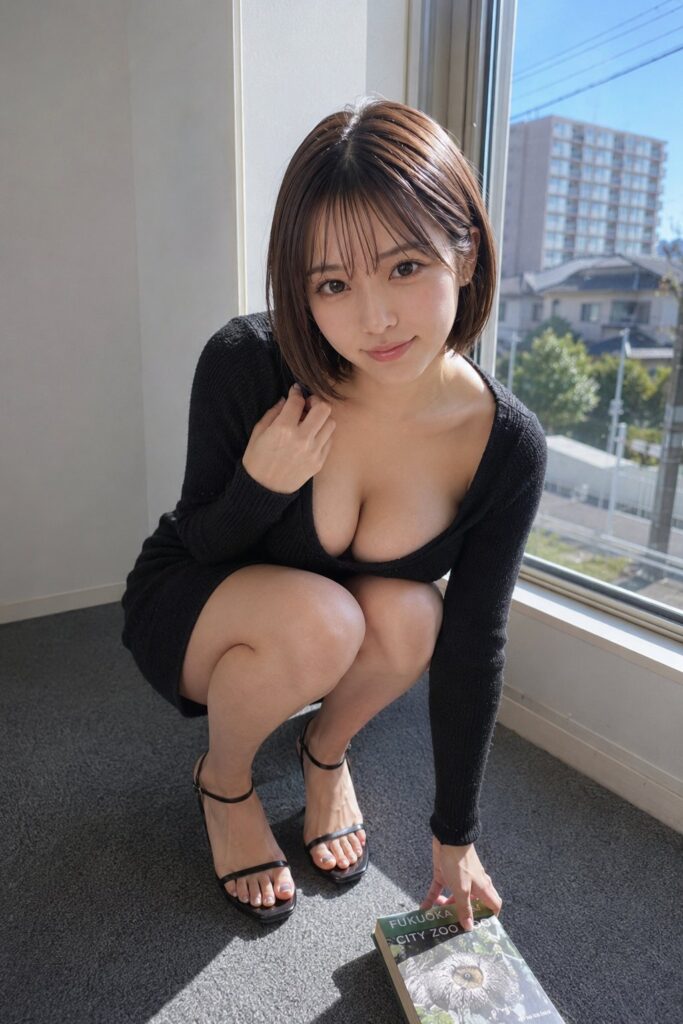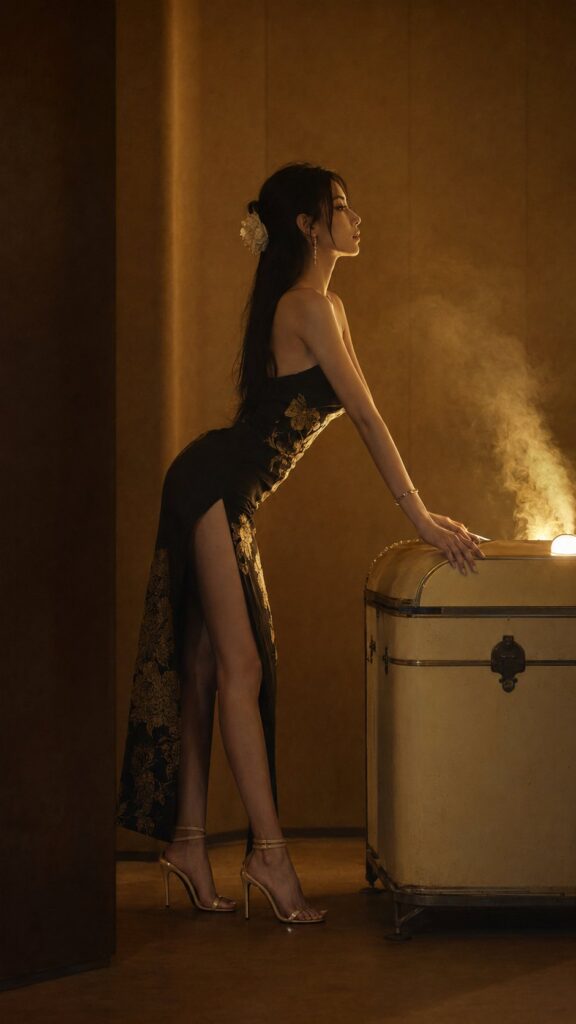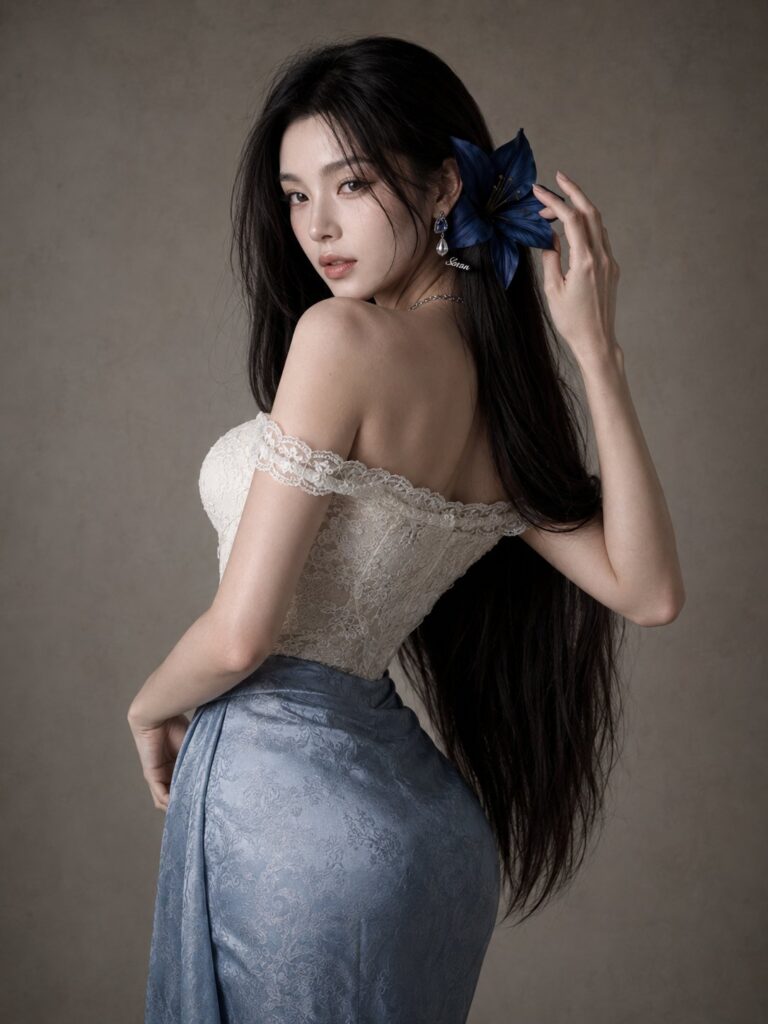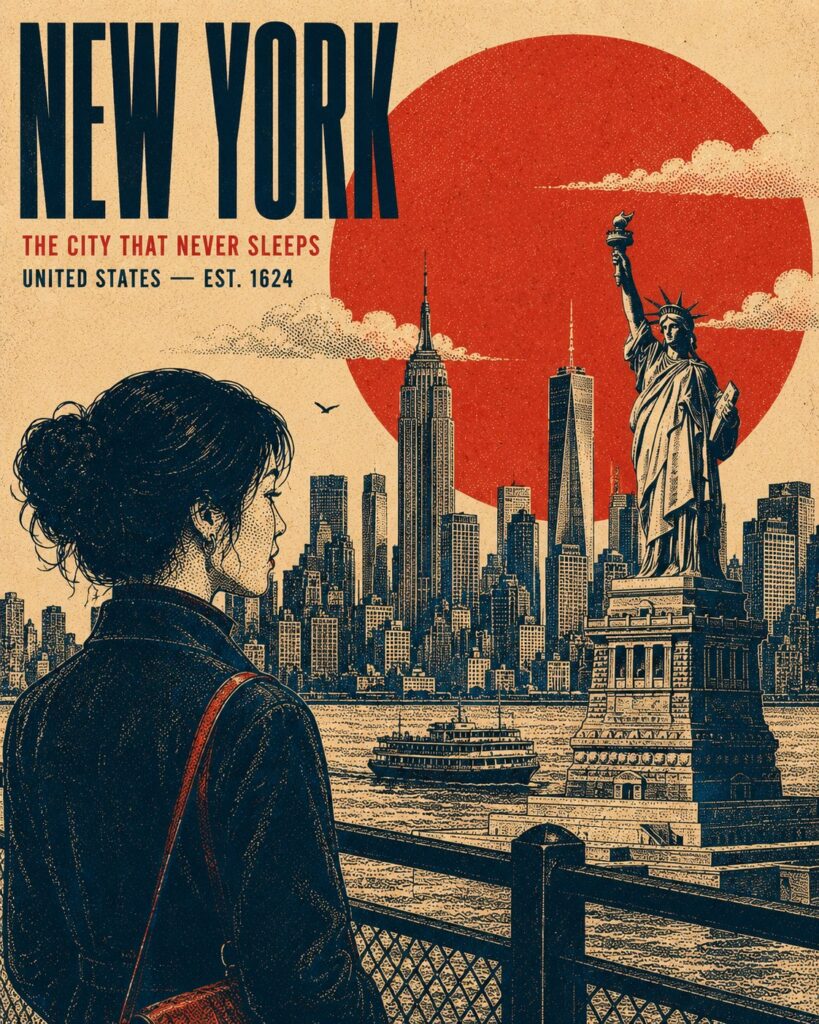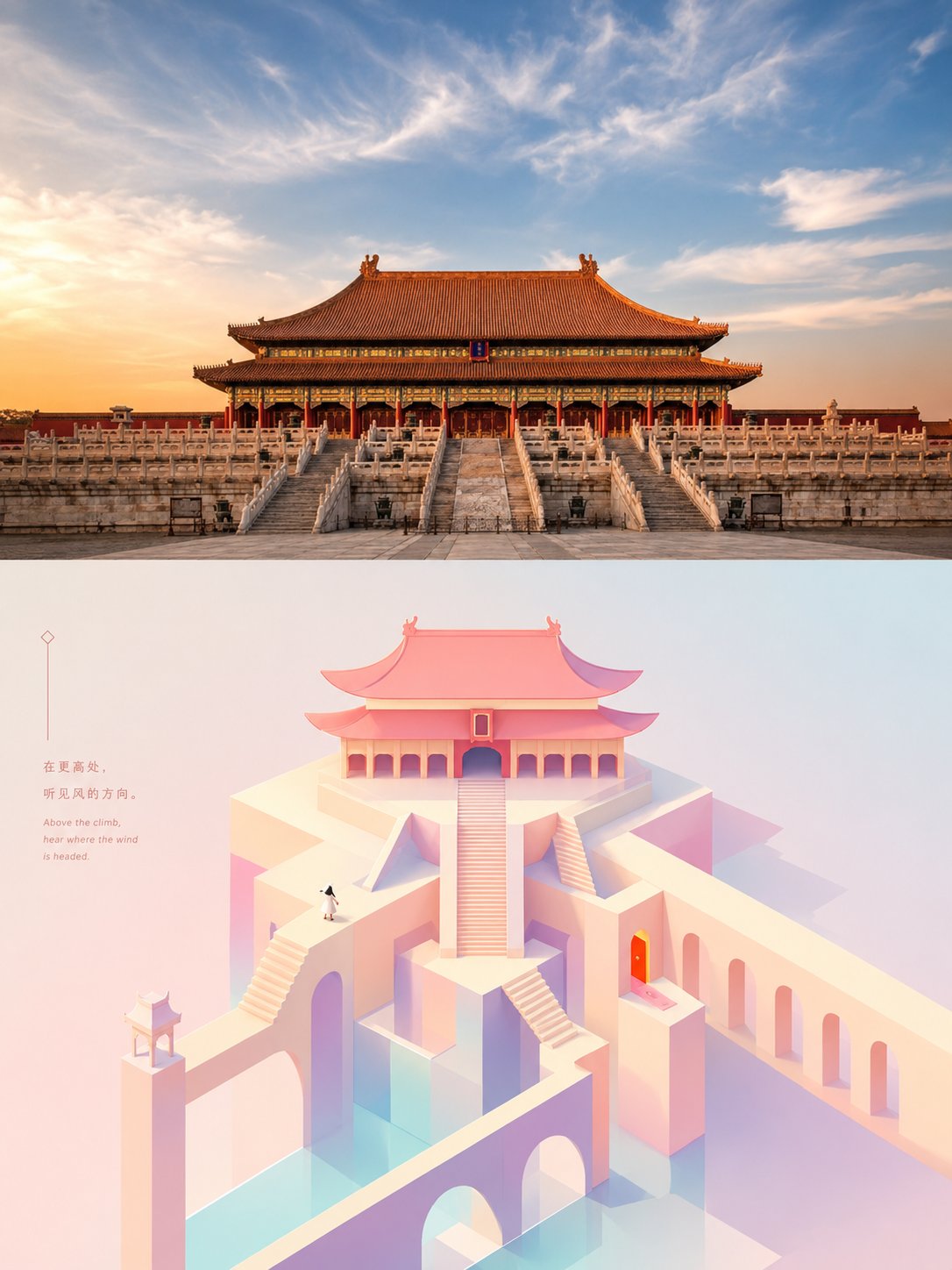
想创作具有影棚级质感且情绪松弛的艺术大片,却苦于无法完美呈现 纪念碑谷风格分层叙事摄影海报设计 中复杂的细节与光影质感?
Nanobanana Pro 完美还原了画面的细腻纹理与高级氛围,助您精准定格具备顶尖商业杂志感的视觉瞬间。
复制这套免费提示词,一键复制进顶级模型,秒出大片。
Struggling to create Monument Valley Style Layered Narrative Poster with a high-end editorial style? Nanobanana Pro captures the textures and lighting details perfectly for a hyper-realistic masterpiece. Get FREE Prompt, enjoy one-click copy, and create instantly!
Prompt (English):
ADVERTISEMENT
Please turn each uploaded photo into a separate premium design poster. Do not combine multiple images. Each photo should be output as an individual poster. Use a 3:4 vertical composition, divided strictly into two equal sections, with the upper and lower halves each occupying 50% of the canvas.

The upper half should preserve the original photograph, including the subject structure, authentic texture, natural lighting, and original atmosphere. Apply only subtle high-end editorial color grading to give it the quality of magazine photography and art exhibition imagery. To fit the composition, the sky, ground, or surrounding environment may be naturally extended, but the main subject must not be stretched, distorted, or altered.

The lower half should extract the most recognizable subject, silhouette, posture, structural features, and narrative relationship from the photograph, then reinterpret them as a minimalist surreal 3D space with a Monument Valley-inspired visual language. Do not mechanically reproduce the original image. Translate its key characteristics into platforms, stairways, arches, passages, bridges, suspended structures, and impossible architecture, using height differences, pathways, connections, occlusion, isolation, and repetition to express the mood and story of the photograph. Use an orthographic isometric perspective. The geometry should feel clean, poetic, quiet, and surreal, while remaining clearly connected to the subject in the upper image.

The lower half should not directly inherit the overall colors of the original photograph. Instead, use a distinctive Monument Valley-inspired pastel color system: cream white, pale sandstone, misty pink, coral, soft lavender, sky blue, aqua, mint green, and similar luminous tones. Each poster should automatically select 2–4 dominant colors, combining analogous hues with subtle warm–cool contrast. Add only one small high-purity accent color—such as coral red, vivid pink, turquoise, or soft yellow—on a doorway, turning point, figure, or key architectural detail. Emphasize large clean color fields, clear planar separation, and tonal variations within the same hue family. The overall palette should feel bright, airy, translucent, and dreamlike. Avoid muddy colors, yellowish casts, low-value palettes, large areas of brown or black, and generic muted “Morandi” palettes.

The 3D materials must be extremely clean, smooth, matte, and solid-colored, with soft even lighting and very subtle ambient shadows. The image should feel crisp, polished, and digitally pristine. No grain, film noise, paper texture, roughness, dust, distressed printing, speckled surfaces, heavy PBR materials, or glossy reflections.

Typography should appear only as small editorial annotations, never as a large headline. Based on the emotion, relationship, or story within the photo, generate one short poetic Chinese line or aphorism with subtle meaning and emotional resonance. Use thin, restrained, geometric typography that matches the Monument Valley-inspired visual system. Keep the text small, with generous letter spacing and ample negative space. Place it quietly along an edge, corner, architectural void, or empty area, allowing subtle alignment, overlap, or interaction with the geometry. A much smaller English translation may be added beneath it. Do not use years, dates, serial numbers, “vol.” labels, oversized typography, bold poster slogans, or dominant text.

The final result should create a dual narrative: the upper half represents the real world, while the lower half becomes its poetic spatial interpretation. Photography carries reality and memory; geometry carries emotion and metaphor; the small text leaves a quiet afterthought. The overall image should feel bright, clean, dreamy, restrained, intelligent, and unmistakably Monument Valley-inspired, while remaining adaptable to people, architecture, animals, still life, landscapes, and interior scenes.
中文参考:
ADVERTISEMENT
请将我上传的每一张照片分别制作成一张独立的高级设计海报,不多图拼接,每张照片单独输出。整体采用3:4竖版构图,上下两个区域高度严格1:1,各占画面50%。

上半部分保留原始照片,保持主体结构、真实质感、自然光影和原有色彩氛围,仅进行轻微高级摄影调色,使其具有杂志摄影与艺术展览质感。为适配画幅,可自然扩展天空、地面或环境背景,但不得拉伸、扭曲或改变主体。

下半部分提取照片中最具识别性的主体、轮廓、姿态与叙事关系,重构为「纪念碑谷气质」的极简超现实主义3D空间。不要机械复制原图,而是将核心特征转译为平台、台阶、门洞、拱桥、通道、悬浮结构与不可能空间,通过高低差、路径、连接、遮挡、孤立和重复关系表达照片的情绪与故事。采用正交等距视角,几何结构简洁、诗意、安静,同时保持与上方主体清晰可辨的对应关系。

下半部分不要直接提取上方照片的综合色彩,而是使用鲜明的纪念碑谷式动态粉彩系统:以奶油白、浅砂岩、雾粉、珊瑚粉、柔紫、天空蓝、湖水青、薄荷绿等清透色彩进行组合,每张作品根据主题自动选择2—4个主色,通过相邻色与冷暖对比形成完整色组,并在门洞、转折、人物或局部结构加入1处较高纯度的橙红、玫红、蓝绿或明黄作为视觉跳点。强调大面积纯净色块、清晰色面分区和同色系明度层级,整体明亮、柔和、通透、有空气感,避免灰脏、发黄、低明度、大面积棕色、黑色以及普通莫兰迪配色。

3D材质保持极其干净、平滑、哑光、纯色,使用柔和均匀的光线和轻微环境阴影塑造空间。画面必须清澈细腻,禁止颗粒、噪点、纸张纹理、胶片感、磨砂纹理、旧印刷效果、脏污、复杂PBR材质和强烈反光。

文字只作为小尺寸编辑注释存在,不做大标题,不抢主体。根据照片中的情绪、关系或故事提炼一句简短、有余韵的中文金句或诗性短句,使用纤细、简洁、几何化的纪念碑谷式排版语言,字号较小、字距舒展、留白充足,可安静地放置在画面边缘、角落、建筑留白或下方空白处,并与几何结构形成对齐、遮挡或微妙穿插。可附一行更小的英文意译。不要出现年份、日期、编号、vol.,不要巨大文字、粗体标题或海报式口号。

整体呈现「上方真实世界,下方诗意空间」的双重叙事:摄影负责真实与记忆,几何空间负责情绪与隐喻,小字金句负责留下余韵。最终效果明亮、纯净、梦幻、克制、聪明,具有鲜明的纪念碑谷式空间语言与粉彩配色,同时适配人物、建筑、动物、静物、自然景观和室内空间等不同题材。
```

english version:

```
Please turn each uploaded photo into a separate premium design poster. Do not combine multiple images. Each photo should be output as an individual poster. Use a 3:4 vertical composition, divided strictly into two equal sections, with the upper and lower halves each occupying 50% of the canvas.

The upper half should preserve the original photograph, including the subject structure, authentic texture, natural lighting, and original atmosphere. Apply only subtle high-end editorial color grading to give it the quality of magazine photography and art exhibition imagery. To fit the composition, the sky, ground, or surrounding environment may be naturally extended, but the main subject must not be stretched, distorted, or altered.

The lower half should extract the most recognizable subject, silhouette, posture, structural features, and narrative relationship from the photograph, then reinterpret them as a minimalist surreal 3D space with a Monument Valley-inspired visual language. Do not mechanically reproduce the original image. Translate its key characteristics into platforms, stairways, arches, passages, bridges, suspended structures, and impossible architecture, using height differences, pathways, connections, occlusion, isolation, and repetition to express the mood and story of the photograph. Use an orthographic isometric perspective. The geometry should feel clean, poetic, quiet, and surreal, while remaining clearly connected to the subject in the upper image.

The lower half should not directly inherit the overall colors of the original photograph. Instead, use a distinctive Monument Valley-inspired pastel color system: cream white, pale sandstone, misty pink, coral, soft lavender, sky blue, aqua, mint green, and similar luminous tones. Each poster should automatically select 2–4 dominant colors, combining analogous hues with subtle warm–cool contrast. Add only one small high-purity accent color—such as coral red, vivid pink, turquoise, or soft yellow—on a doorway, turning point, figure, or key architectural detail. Emphasize large clean color fields, clear planar separation, and tonal variations within the same hue family. The overall palette should feel bright, airy, translucent, and dreamlike. Avoid muddy colors, yellowish casts, low-value palettes, large areas of brown or black, and generic muted “Morandi” palettes.

The 3D materials must be extremely clean, smooth, matte, and solid-colored, with soft even lighting and very subtle ambient shadows. The image should feel crisp, polished, and digitally pristine. No grain, film noise, paper texture, roughness, dust, distressed printing, speckled surfaces, heavy PBR materials, or glossy reflections.

Typography should appear only as small editorial annotations, never as a large headline. Based on the emotion, relationship, or story within the photo, generate one short poetic Chinese line or aphorism with subtle meaning and emotional resonance. Use thin, restrained, geometric typography that matches the Monument Valley-inspired visual system. Keep the text small, with generous letter spacing and ample negative space. Place it quietly along an edge, corner, architectural void, or empty area, allowing subtle alignment, overlap, or interaction with the geometry. A much smaller English translation may be added beneath it. Do not use years, dates, serial numbers, “vol.” labels, oversized typography, bold poster slogans, or dominant text.

The final result should create a dual narrative: the upper half represents the real world, while the lower half becomes its poetic spatial interpretation. Photography carries reality and memory; geometry carries emotion and metaphor; the small text leaves a quiet afterthought. The overall image should feel bright, clean, dreamy, restrained, intelligent, and unmistakably Monument Valley-inspired, while remaining adaptable to people, architecture, animals, still life, landscapes, and interior scenes.